
Even a developer with six years of practical engineering experience can find it challenging to justify a design decision aloud when interviewed. Someone who has delivered successful marketing projects may still struggle to recall the most useful performance data under interview pressure.
Neither situation automatically suggests a lack of ability. Interviews require candidates to retrieve information, arrange their reasoning, interpret unfamiliar questions, and communicate clearly under pressure.
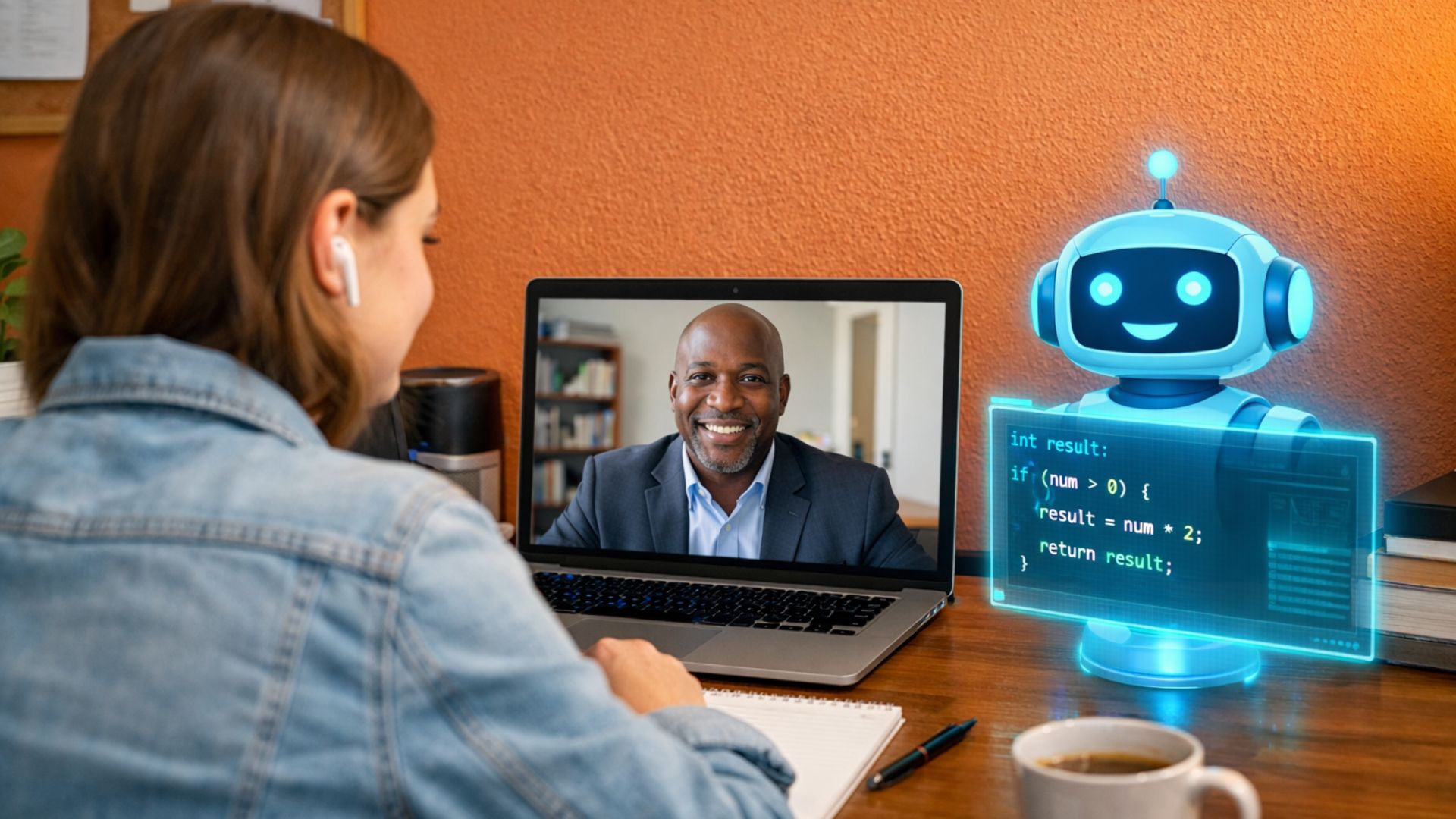
Candidates now have artificial intelligence tools for practicing these abilities. Interview Pilot combines personalized interview preparation, simulated conversations, and live answer suggestions to help candidates approach professional interviews with greater confidence.
Organize Your Professional Stories Before the Interview
Many candidates prepare in the conventional way by collecting typical interview prompts and learning sample answers by heart. Such stock responses seldom do justice to the particulars of a person’s real work history.
Take a common behavioral prompt: “Tell me about a time you managed a difficult project.” Starting confidently is useful, but an effective explanation goes further. A useful account connects the project’s context with the individual’s responsibilities, their decisions, and the final outcome.
Suggestions from Interview Pilot draw on the applicant’s resume, the role being pursued, and the potential employer.
With an AI interview assistant, candidates can select relevant achievements, arrange the evidence behind them, and notice missing details. Users can subsequently practice explaining what actually happened in their own words.
Technical Knowledge Needs Clarity in Conversation
An assessment of technical ability goes beyond being familiar with coding languages, software platforms, and engineering principles. The reasoning behind a choice matters because interviewers often want to see how applicants solve problems and compare different approaches.
A discussion about database performance could require an explanation of the benefits of indexing, the competing considerations, and the measurements used to establish faster queries.
Candidates using Interview Pilot can receive suggestions for technical interview questions as well as behavioral questions. The interview copilot feature interprets spoken questions and produces responses related to the question’s context.
A suggested response is useful only insofar as the candidate also understands the explanation supporting it. Independent explanation of technical decisions becomes particularly important when the interviewer poses follow-up questions or changes the scenario.
Move Beyond Individual Practice Questions
Silent review of interview questions cannot fully replicate the process of answering verbally. Answering aloud can reveal wordy introductions, confusing explanations, and needless jargon that may go unnoticed during written preparation.
Users can prepare for conversations with recruiters and hiring managers through Interview Pilot’s simulated AI interviews and interview question bank.
Candidates can practice effectively by responding to one question repeatedly while adjusting the depth of the answer. A candidate might develop a thirty-second explanation for an initial screening and a more comprehensive response for a technical discussion. Adjusting the depth of an answer can make the conversation sound less memorized and better aligned with the interviewer’s interests.
Consider Professional Integrity Before Using Live AI
Tools offering real-time interview answers introduce additional considerations around professional integrity and employer expectations. AI assistance may be permitted in certain organizations’ assessments, but other employers require an assessment completed without external help.
Applicants considering a copilot for interview practice or live assistance should determine what the organization’s rules allow before using it in an actual interview. When an application processes interview dialogue, applicants must also pay attention to the relevant rules on confidentiality and consent. AI-generated suggestions are most valuable when they support genuine knowledge rather than replace real qualifications or invent professional experiences.
Finding Time for Consistent Interview Practice
Candidates frequently fit their interview practice around work schedules, travel to and from work, and personal obligations. Support for multiple devices may make it easier to maintain regular practice sessions.
Users can access Interview Pilot on Mac and Windows, on iPhone and Android, and via the web. The platform reports a global user base of over one million and describes a free tier with weekly AI usage limits in addition to paid subscriptions offering unlimited use.
Successful interview practice involves more than remembering polished phrases. The aim is to feel at ease describing your expertise, showing your reasoning, and communicating the contribution you could make to an organization.
Used thoughtfully, Interview Pilot can support that process while keeping the candidate’s own professional background, judgment, and communication skills at the center of the conversation.