
Two rod cylinders continue to earn their place in advanced automation thanks to their stability, precision, and balanced motion. But achieving their full performance potential depends on more than the internal piston and rod configuration mounting style and tie rod arrangements play an equally important role. How a two rod cylinder is installed determines its ability to carry loads, maintain alignment, resist vibration, and deliver consistent force throughout its stroke. In high-demand industrial environments, these details become crucial for long-term reliability.
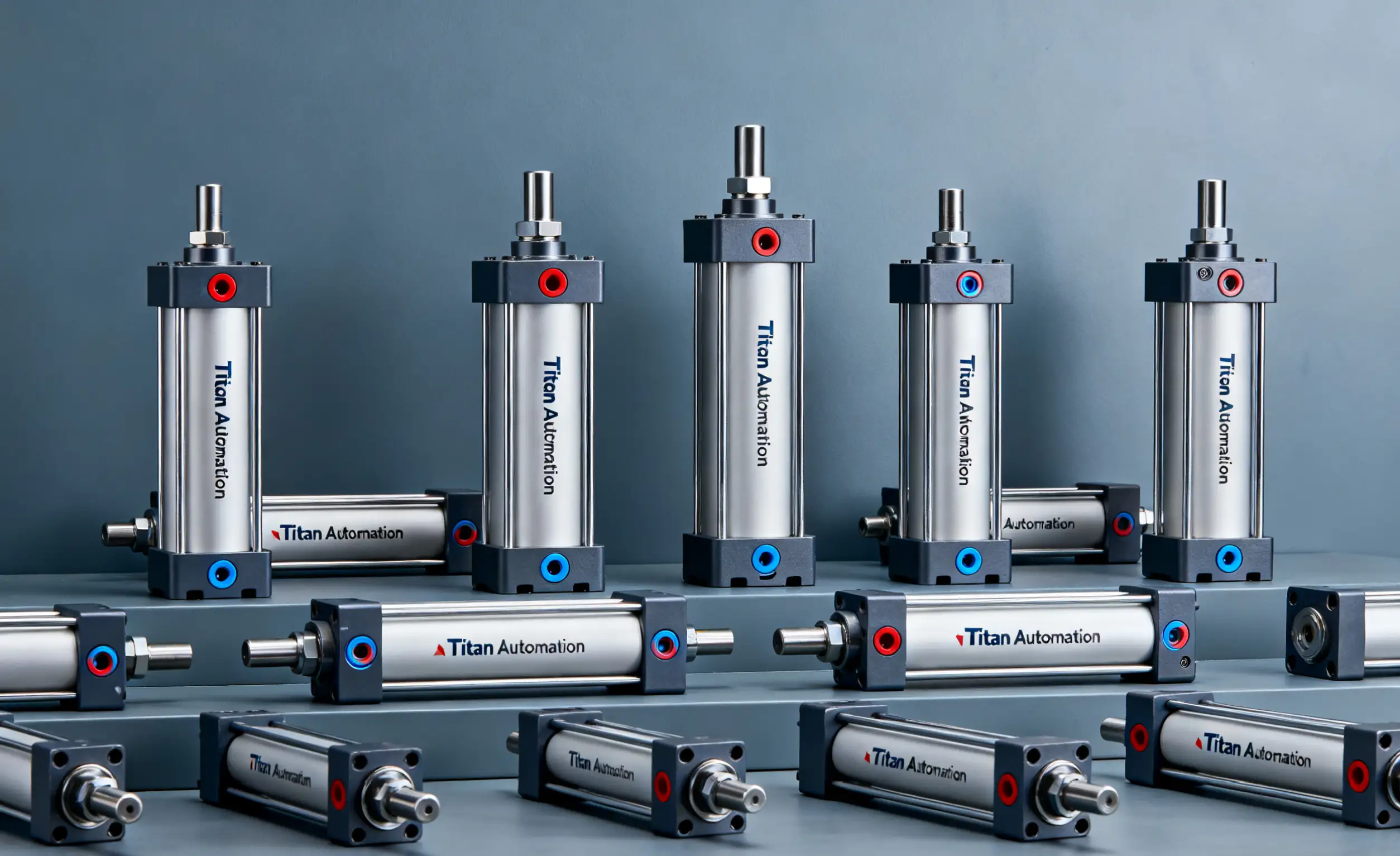
Understanding the correct mounting and tie rod structure is particularly important for engineers designing automated systems where space, motion direction, and load characteristics leave little room for error. This is why many industries rely on experienced pneumatic cylinder suppliers and a knowledgeable pneumatic cylinder manufacturer such as Titan Automation. A Top-quality pneumatic cylinder manufacturer, known for producing robust double-ended cylinders and offering guidance on optimal mounting configurations for each application.
Why Mounting Matters in Two Rod Cylinder Performance
Two rod cylinders provide symmetrical, non-rotating motion, but this performance is only possible when the cylinder is mounted securely and aligned with the intended motion path. Mounting affects how forces are transmitted into the machine structure and how the cylinder behaves under load.
In applications involving heavy tooling, long strokes, or high-speed travel, incorrect mounting can create misalignment that leads to side loading. Even small misalignments can accelerate wear, reduce output force, or cause the rods to bind during operation.
The ideal mounting setup ensures that:
- The cylinder body is rigidly anchored
- The rods stay parallel to the motion direction
- Loads remain evenly distributed across the rod bearings
Titan Automation provides mounting options such as front flange, rear clevis, side lug, and foot mounts to accommodate different machine geometries and loading conditions. Each option supports motion differently, making the selection process essential to system efficiency.
Front and Rear Mounting Arrangements
Front-mounted cylinders offer strong support at the leading end, making them ideal when the cylinder must push or position loads with high stability. These mounts reduce the risk of deflection because the anchor point is closest to the force output.
Rear-mounted configurations are often preferred when the cylinder must pull loads back toward the machine frame or when designers want to hide the cylinder body behind the mechanism. This helps reduce the footprint of the machine, especially in compact automation lines.
Because two rod cylinders produce equal force in both directions, both front and rear mounting remain balanced choices as long as alignment is preserved.
Tie Rod Arrangements: The Backbone of Structural Strength
Tie rods hold the cylinder assembly together, providing structural integrity and resisting pressure forces inside the cylinder body. In high-load or long-stroke applications, tie rod arrangements are even more important because they help prevent cylinder distortion.
Standard NFPA-style tie rods provide evenly distributed clamping force across the cylinder head and cap. This helps maintain seal shape, ensure rod alignment, and stabilize the internal piston movement. Two rod cylinders often use extended tie rods to support additional mounting accessories or to attach end plates for improved rigidity.
Tie rod reinforcement is especially valuable in:
- High-load pushing or pulling operations
- Systems experiencing vibration
- Precision machining or forming applications
- Environments with fluctuating pressure cycles
A skilled Titan Automation pneumatic cylinder manufacturer offers corrosion-resistant tie rod materials, enhanced tension plating, and customized lengths for specialized industrial needs.
Integrating Mounting and Tie Rod Design Into the System Architecture
The true strength of a two rod cylinder emerges when mounting style and tie rod arrangements are selected as part of the entire machine architecture not as last-minute additions. Mounting must align perfectly with the direction of force and expected load conditions, while tie rods must be strong enough to handle pressure spikes and mechanical stresses. A mismatch can reduce reliability, shorten cylinder life, or cause misalignment in high-precision systems.
This is why collaborating with knowledgeable pneumatic cylinder suppliers makes such a difference. Titan Automation is a Top-quality pneumatic cylinder manufacturer that not only produces two rod cylinders but also provides the engineering insights required to choose the right mounting and tie rod setup for maximum performance.
Conclusion: Stronger Systems Through Smarter Cylinder Integration
Two rod cylinders offer unmatched stability and balanced motion, but their success depends heavily on how they are mounted and supported. Proper mounting ensures alignment and load control, while thoughtful tie rod arrangements create the structural strength needed for long-term durability. With support from experienced pneumatic cylinder suppliers and expert Titan Automation manufacturers, engineers can build automation systems that run smoothly, powerfully, and dependably cycle after cycle.