
One buyer is drawn to the shade, yet later in the day the cap no longer feels comfortable. A natural-looking front is welcome, but another customer finds spending twenty minutes on lace each morning impractical. A third customer chooses an appealing unit and discovers that its density feels surprisingly heavy.
To a wig brand, these observations represent more than isolated customer reactions. They reveal opportunities to develop products people will genuinely enjoy wearing.
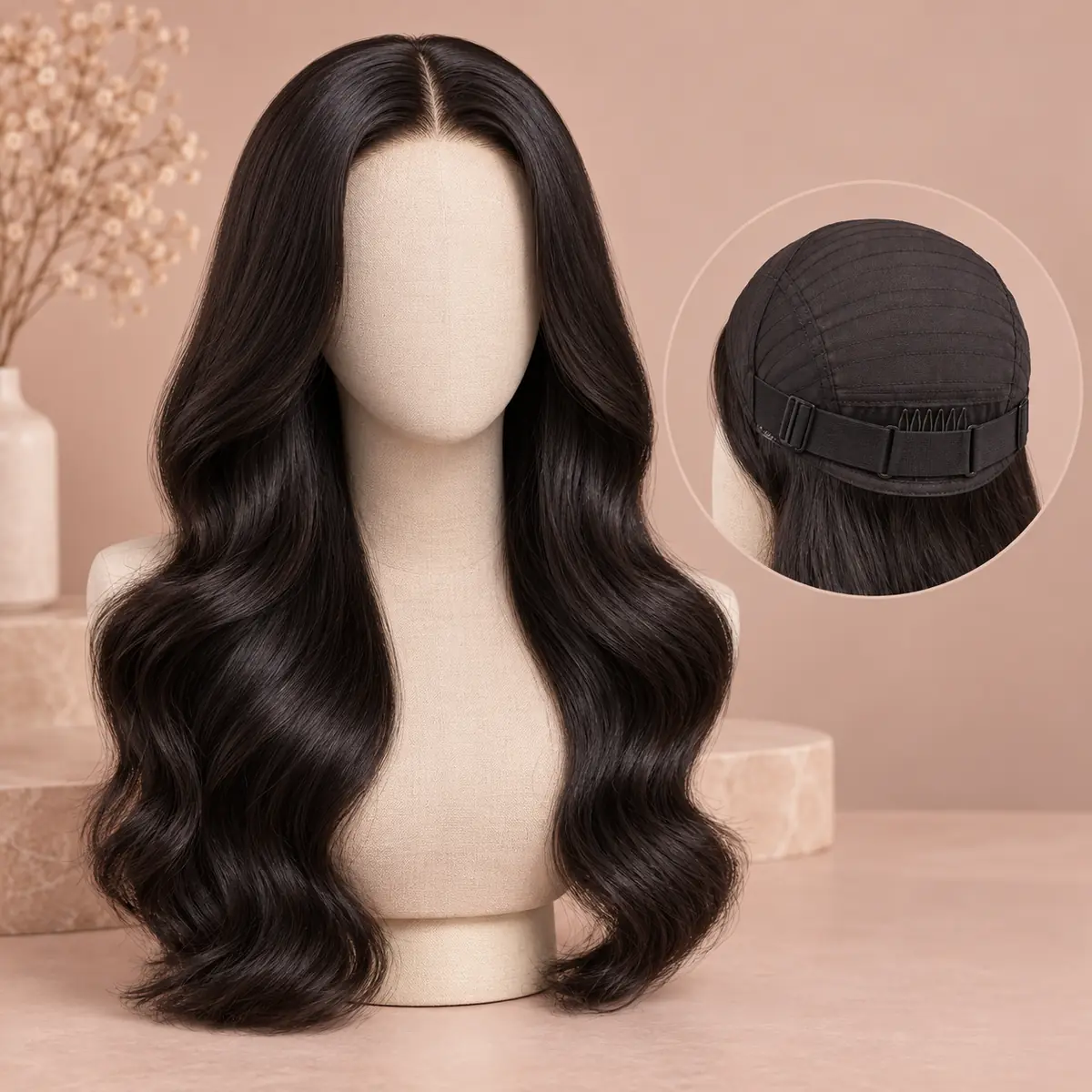
Image credit: vayorahair.com
Successful wig collections aren’t necessarily built around the latest viral hairstyle. A collection should begin with the customer’s expectations and the experience they want once the wig is on.
Listen Beyond the Purchase
Buyers seldom use production terminology to explain what they need. The language customers use reflects everyday concerns: comfort, convenience, appearance, and confidence. A glueless design could be one response to feedback about simplifying morning preparation. If customers say the hairline looks unnatural, the team may need to review lace appearance and knot treatment, along with the density or design of the part.
Turning everyday customer concerns into measurable requirements is a capability to look for in a human hair wig manufacturer China brands choose.
A request for a 22-inch body-wave wig can go much further: buyers can specify the desired wearing experience, cap fit, lace construction, hairline appearance, and finished weight. Such precision provides the development team with a clearer objective.
Establish a Consistent Private Label Collection
The products selling well right now often become the entire basis for a developing wig brand’s catalog, which can be a mistake. Other wig shops may end up offering remarkably similar collections.
Working with a private label wig manufacturer China retailers can collaborate with allows brands to develop a more consistent product identity. Possible directions include lightweight wigs for daily wear, a premium collection with natural-looking hairlines, or ready-to-wear wigs for buyers who want minimal preparation. Texture, length, color, density, cap construction, and packaging should support the same customer promise. A recognizable collection gives shoppers a reason to return beyond a temporary discount.
What to Consider in Glueless Wig Construction
The term “glueless” sounds simple, but the wearing experience depends on several construction details. Everything from the size of the cap and adjustment features to attachment components, lace preparation, and hairline design affects how securely and comfortably the unit fits.
A glueless wig manufacturer China buyers choose should help clarify these requirements before production begins. A brand serving new wig wearers, for instance, might focus on manageable density, pre-cut lace, and easy-to-use adjustment features. Different ways to customize the unit might be necessary in a collection aimed at professional hair stylists. One approach is not automatically preferable than the other. Each serves a different customer.
How Sampling Supports a Brand’s Reputation
There are qualities of a wig that cannot be assessed from an image alone. Buyers need to examine how the cap fits, how the hair moves, whether the color matches expectations, and whether the finished construction reflects the approved design. The sample stage creates an opportunity to identify discrepancies ahead of a higher-volume purchase.
Consistently producing the same style calls for documented product specifications and quality-control procedures, particularly for a wholesale human hair wigs supplier handling repeat orders. A lack of well-defined references can make it difficult to reproduce the results of a successful first batch with consistency.
Expanding a Wig Range With a Clear Direction
VAYORA works with B2B wig brands, retailers, and distributors to support product development, private label services, sampling, specification control, and repeat-production workflows. Physical details that affect the look, fit, and feel of a wig are connected to customer expectations through this approach.
A catalog expansion should follow a close examination of customer feedback, identification of the strongest product opportunities, and establishment of well-defined approval standards. The next collection’s success may have little to do with expanding the style count. It may require fewer compromises in the styles customers already want.