
If you draw an outline around the lift station in the format of a civil map it is easy to envision it as a piece of self-contained equipment.
In reality, water comes from somewhere, flows through the station, then goes on to another location. It also relies on structural components including power, controls, and access to the site.
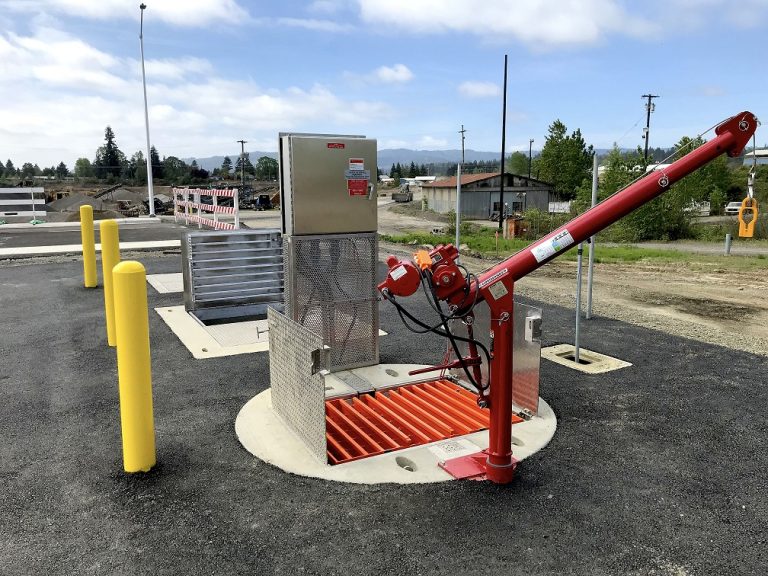
Image credit: romtecutilities.com
For project teams searching for the best lift station designers, one useful question is whether the engineering considers those interfaces not merely what happens inside the station.
Begin to go upstream of the Wet Well
Consider a residential development. The wastewater flows through the collection systems and eventually the lift station. The flow conditions that enter the system and site elevations help establish what the station will be expected to handle.
Once wastewater reaches the wet well, another set engineering decisions begin. Pumps, pipes and valves structures, controls, and possibly other equipment need to be designed for the task.
Romtec Utilities designs wastewater systems designed for commercial, municipal and industrial sites as well as applications for development.
The method of the project is essential since what happens downstream could change the goals of the pumping station.
Be sure to follow the water past the pumps
The issue is not over when the liquid has escaped the well. The pumping system must be able to push the liquid to meet the hydraulic requirements of downstream systems. The pump’s configuration and flow requirements are influenced by flow and head requirements. conditions.
This connection is essential in assessing the best wastewater designers. Pumps may boast impressive specs on its own however, its performance has to fit into the overall hydraulic system.
Romtec Utilities has the ability to design the structural elements as well as mechanical and electronic components, and communication systems for pumping station as a complete package. This enables the equipment to be integrated with the requirements established for the particular project.
Stormwater is its own network of Connections
Stormwater infrastructure differs. Runoff can enter a collection system from developed surfaces and flow through the drainage, treatment, detention, or flood-management infrastructure. Where pumping is required, the station becomes a single link within a larger stormwater plan.
When companies are searching for the most effective stormwater system engineers it is important to evaluate site conditions, flow rate, head requirements and environmental considerations together.
Romtec Utilities supplies customized stormwater pumping systems for residential, commercial industrial, municipal and projects rather than relying on the same configuration for each application.
Coordination Extends Above Ground Too
Not all interfaces require piping. The electrical service should be in place to support the equipment. Control and communication systems must meet the requirements of the project. Contractors need to have the proper plans and documentation. To install, start-up and later services, physical access could be required.
This is a difficult project that requires multiple participants and different disciplines, which is why a clear system document is essential. Romtec Utilities offers complete plans and project documents. It also supports the system from its initial setup to testing and commissioning.
Look Beyond the Station Boundary
Even if a lift station is built correctly, it may still be part of a non-coordinated project when the external connections aren’t properly dealt with.
Water offers a greater perspective on design. What is its source? What is the best way to get it to the station? What happens when it’s there? Where will it go? What infrastructure allows the whole procedure to run?
These answers transform the concept of lift stations from a basic equipment exercise to a complicated infrastructure plan.