
A drainage system may seem good in normal weather but a major storm will reveal every flaw in a property’s infrastructure. Parking lots flood. Detention ponds can overflow in a way that is too fast. Access roads can be hazardous. Lower-lying areas can begin to collect water. In many of these situations the issue isn’t simply rainfall. In many cases, the problem is not just rain.
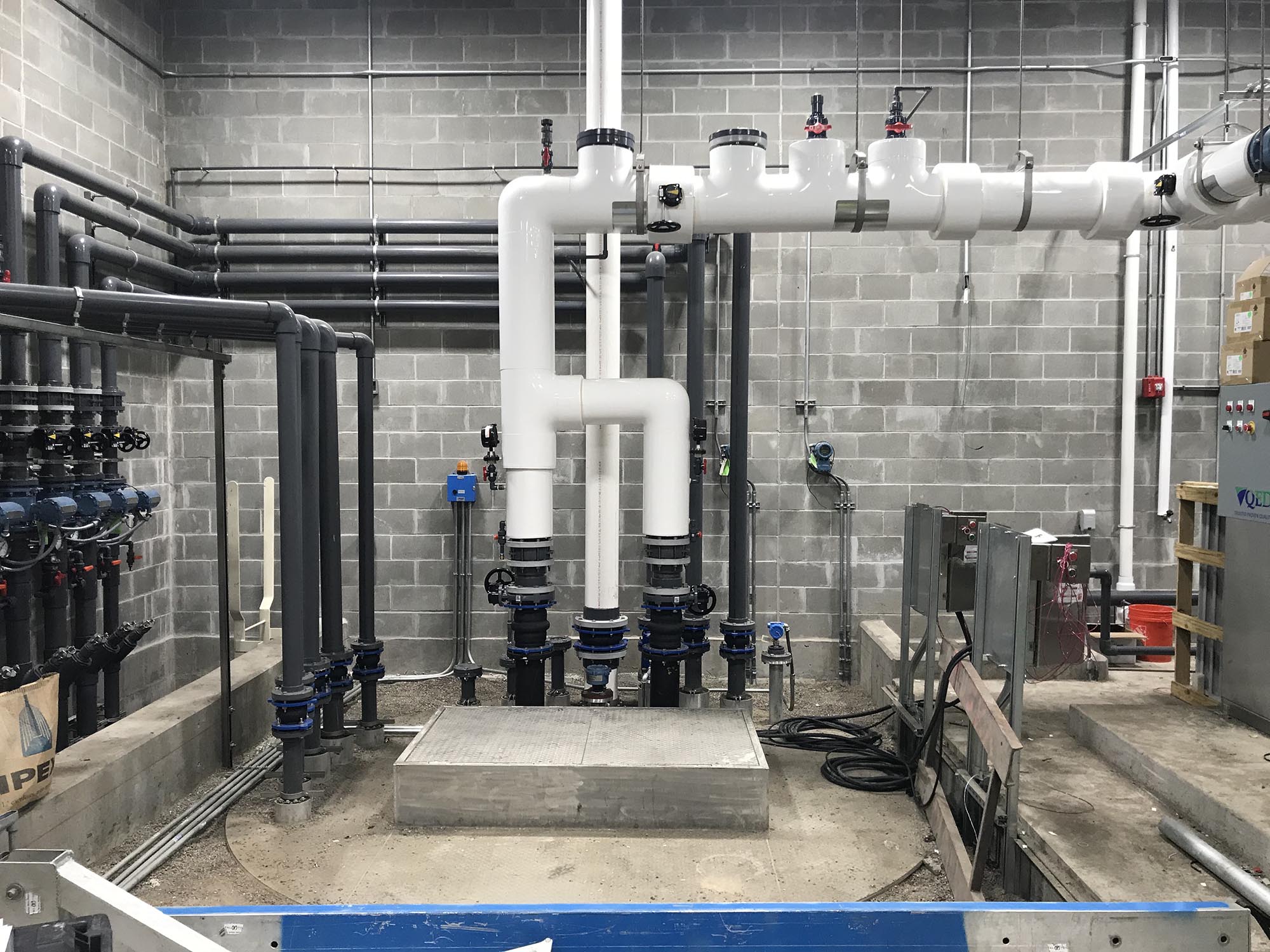
A stormwater lift station becomes essential. These systems collect and push away the stormwater that has accumulated in areas where it naturally collects. They help protect structures, roads, utilities and outdoor space. Lift stations are an essential element in any project, whether they are industrial, municipal, commercial or residential. They are also important to keep a place operational throughout and after storms.
Stormwater management needs to be developed to suit the specific location.
Each property is different in how it manages runoff. Retail stores with huge parking lots behave differently than residential subdivisions, and they don’t have the same requirements for industrial sites or municipal drainage projects. The structure of a stormwater system is affected by a range of factors, including the flow rate, elevation of the site and detention requirements, as well as discharge conditions.
Romtec Utilities doesn’t treat stormwater pumping like a standard service. Each system is designed for the particular site’s pumping scenario, whether that means controlling flooding, removing a detention pond, managing the drainage from a construction site or supporting a larger municipal drainage network. The best solution is determined by the amount of water needed to be transferred and the speed it needs to move and where.
A stormwater runoff pumping station is more than just a pump in a vault
A sturdy stormwater pumping station is not just an engine that is powerful. It is a highly coordinated system, seamlessly blending mechanical, structural, electrical and control components to handle large stormwater volumes effectively and efficiently. For the station to perform optimally throughout its lifetime, it is important to ensure that all components work in harmony. They include exact pump sizing and a strategic wet-well design, advanced controls, as well as robust pipes, a robust power systems monitoring in real-time, as well as robust piping.
This level of total system integration is exactly why the best stromwater system designers stand out from the competition. A design that is exceptional is not only able to fix drainage issues in the short term, it also takes a long-term proactive approach. The top engineering practices take into account the ease of maintenance over time and changes in future site requirements and the highest efficiency of operation. It is vital to ensure that the package pumping system is able to perform under real-world conditions of severe storms, rather than relying solely on the best assumptions.
This careful planning is important whether you’re managing torrential floodwaters or designing high-pressure municipal networks such as the clean water booster pump stations where failure of the system is not an option. Romtec Utilities creates stormwater systems which consider these practical realities. They offer a variety pumps built for various uses. These pumps come with documentation, training and startup assistance to ensure that the user can effectively manage their system.
Better planning creates better flood protection
A properly-designed stormwater pumping station can reduce flooding risk as well as improve the efficiency of the facility and protect nearby property from water damage. The pump station is also able to increase the resilience of a site through ensuring that runoff in heavy rain is managed effectively and swiftly.
Stormwater infrastructure is easy to ignore until it goes down. However, a reliable stormwater lift station is one of the most vital investments a property owner, municipal or developer could invest in when runoff must be managed more actively than simply. Stormwater management techniques can make the site safer and more functional. They can also aid in ensuring that it will be better prepared to deal with changing weather conditions.